
 Follow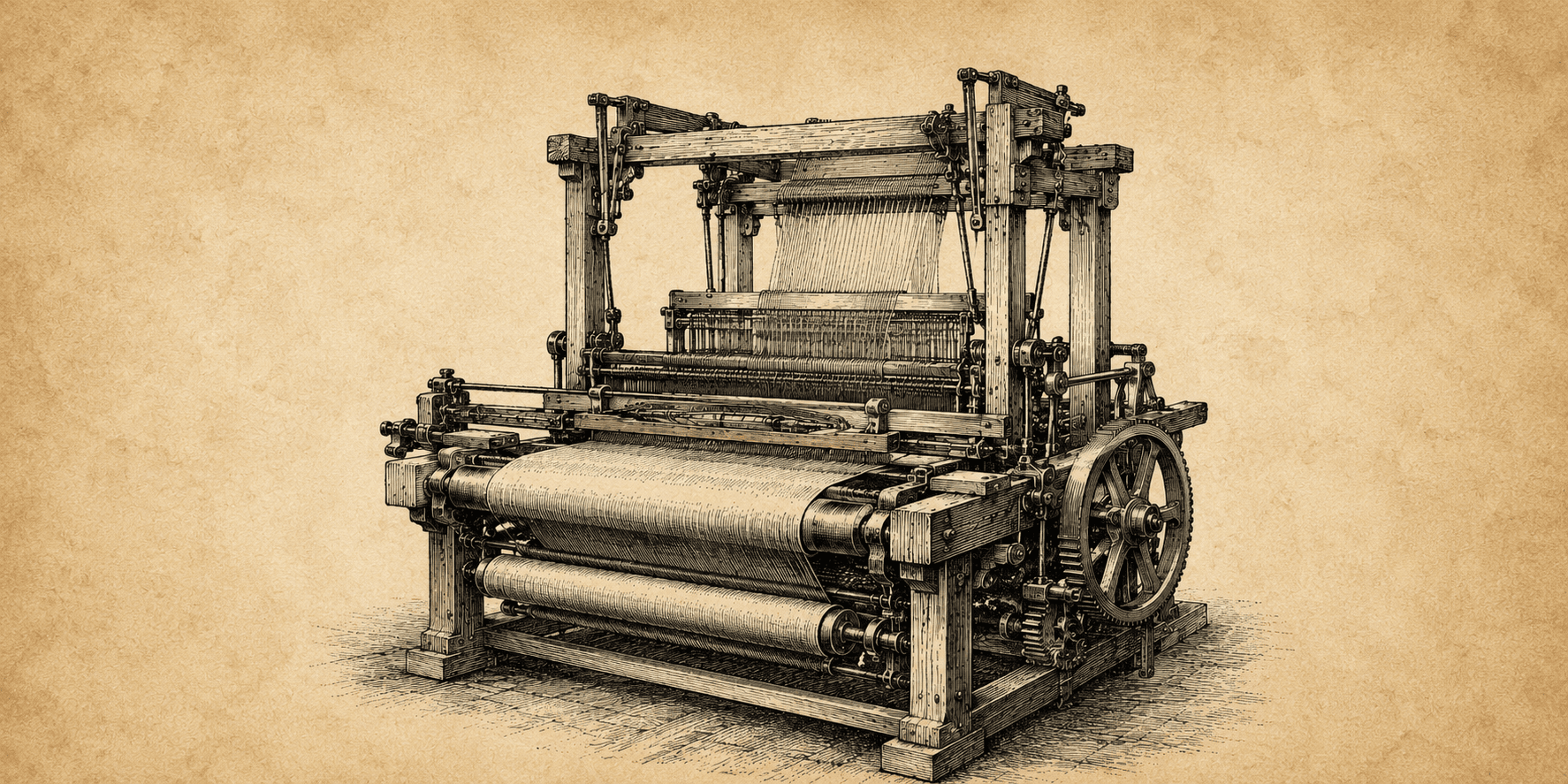
This is the inaugural post in a three-part series that explores the necessary relationship between AI and people. Today's post explores the natural fear that many of us have around AI eliminating our jobs. But my advice: don't be (too) afraid, because after all, it is people buying things that fuel the economy that pay for all those tokens. Without jobs, people won't be able to fuel the economy, and the token budget dries up.
“don't be (too) afraid because people fuel the economy”
That being said, it is easy to fall into the trap of fear. Everywhere we look, there are headlines showing how easy it is for AI to perform tasks that are ubiquitous in our jobs. Even worse, people talk about agents like they are people. They say, "I just hired my AI chief of staff, and he works 24/7!" With pride, people claim that they can "manage a team of 10 agents who work through the night."
Let's be honest, AI agents monitor things, write code, perform web-based research, simulate scenarios, prospect leads, schedule meetings, summarize your meetings, and write follow-up emails. Each of these tasks sound a lot like my daily job and yours too probably.
Of course we are firm believers that AI is an incredible tool, and we've only begun to scratch the surface on its utility. This personification, while cute, can alienate the very users us technologists are trying to attract. After all, how can I, as a person, compete with something that seemingly has infinite knowledge and doesn't need sleep, food, or family time.
Sound scary?
Let's take a look at the industrial revolution. In the early 19th century, a good cotton handloom averaged about 65 picks per minute. By 1860, a power loom could easily handle about 200 picks per minute, or about the work of 3 to 5 average handlooms.
Eventually, it became possible for one factory to manage 2 power looms, replacing the need for as many as 10 average handlooms. Even more, the work had moved from handlooms' private homes to factories, which meant that the looms could run longer hours, theoretically even through the night. You can see how the productivity enhancements here add up.
This sounds just like our AI agents doing the work of 10 people.
Weaving wages fell by 75% and the number of weavers dropped by 96% after only a few decades. I have no doubt that this was a frightening shift for many in the industry. But in the end, new job types emerged. Britain required factory managers, engineers to maintain and repair the looms in addition to the operators. Even more, demand didn't remain constant, it exploded. At the end of the century, the total number of British workers in textiles rose about 20-30%.
Does this still sound scary?
Those who were willing to adapt thrived. People who learned the loom became sought after experts.
“Our economy requires thinkers, doers, creatives, and people who connect with one another”
And at the center of the industrial revolution was demand from real people for real product. If AI were to truly eliminate all jobs, there would be no one left to buy things to pay for the AI. At the end of the day, our economy still requires thinkers, doers, creatives, and people who connect with one another.
I don't think the answer to AI adoption in every job is "everyone must learn Claude Code." This is a myopic view that simply doesn't understand the diversity and complexity of all jobs, let alone what it means to deploy and host software. We need thinkers, doers, and creatives to bridge the gap between the nascent user interfaces of AI today with real work.
Stay tuned for Part II where I share why the user interface is not dead, it's the next frontier for AI.